


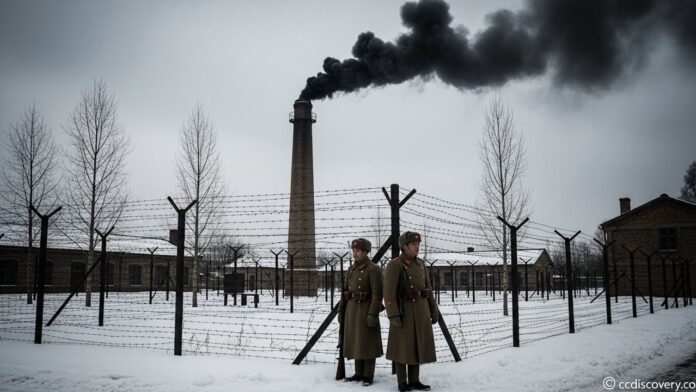
Unit 731: The Horrifying WWII Secret Japan Hid
When we think of the atrocities of World War II, our minds almost immediately go to the horrors of the Holocaust in Europe. We think of Auschwitz, the concentration camps, and the evil “science” of Josef Mengele. But halfway across the world, in the freezing plains of Manchuria, an equally terrifying nightmare was unfolding—one that history tried to erase.
It was a place where human beings were referred to not as prisoners, but as “Maruta” (logs). It was a place where science lost its soul. This is the story of Unit 731, the Imperial Japanese Army’s covert biological warfare division.
For decades, the existence of this unit was denied. The files were burned, the facilities demolished, and the perpetrators walked free. Today, we peel back the layers of history to reveal one of the darkest secrets of the 20th century. Warning: The details that follow are disturbing.
The Mastermind: Shiro Ishii
Every nightmare has an architect. For Unit 731, that man was Lieutenant General Shiro Ishii. A microbiologist by trade and a monster by nature, Ishii was obsessed with the potential of biological warfare.
In the 1930s, while the Geneva Protocol had banned the use of chemical and biological weapons, Ishii argued that if the world powers banned them, they must be incredibly effective. He charmed his superiors in the Japanese military hierarchy and secured funding to build a massive complex in Harbin, China (then Japanese-occupied Manchukuo).
On the surface, it was disguised as the “Epidemic Prevention and Water Purification Department.” But inside, it was a factory of death. Ishii recruited Japan’s brightest medical minds—doctors from top universities—promising them unlimited resources to conduct experiments that were “ethically impossible” in peacetime.
The “Maruta” (Logs): Dehumanization of Victims
To conduct these experiments, Ishii needed subjects. But they couldn’t think of them as humans, or conscience might intervene. So, the prisoners—mostly Chinese civilians, captured Russian soldiers, and Koreans—were dehumanized.
They were officially designated as Maruta, the Japanese word for “Logs.” The logic was chillingly bureaucratic: the facility was officially a lumber mill. Therefore, the things inside were just wood to be cut, burned, and discarded.
Thousands of men, women, and even infants passed through the gates of Unit 731. Very few ever walked out.
The Experiments: Science Without Morality
The horrors conducted within the walls of Unit 731 are difficult to comprehend. The goal was to test the limits of the human body and to develop weapons of mass destruction. Here are the verified historical facts regarding their methods.
1. Vivisection Without Anesthesia
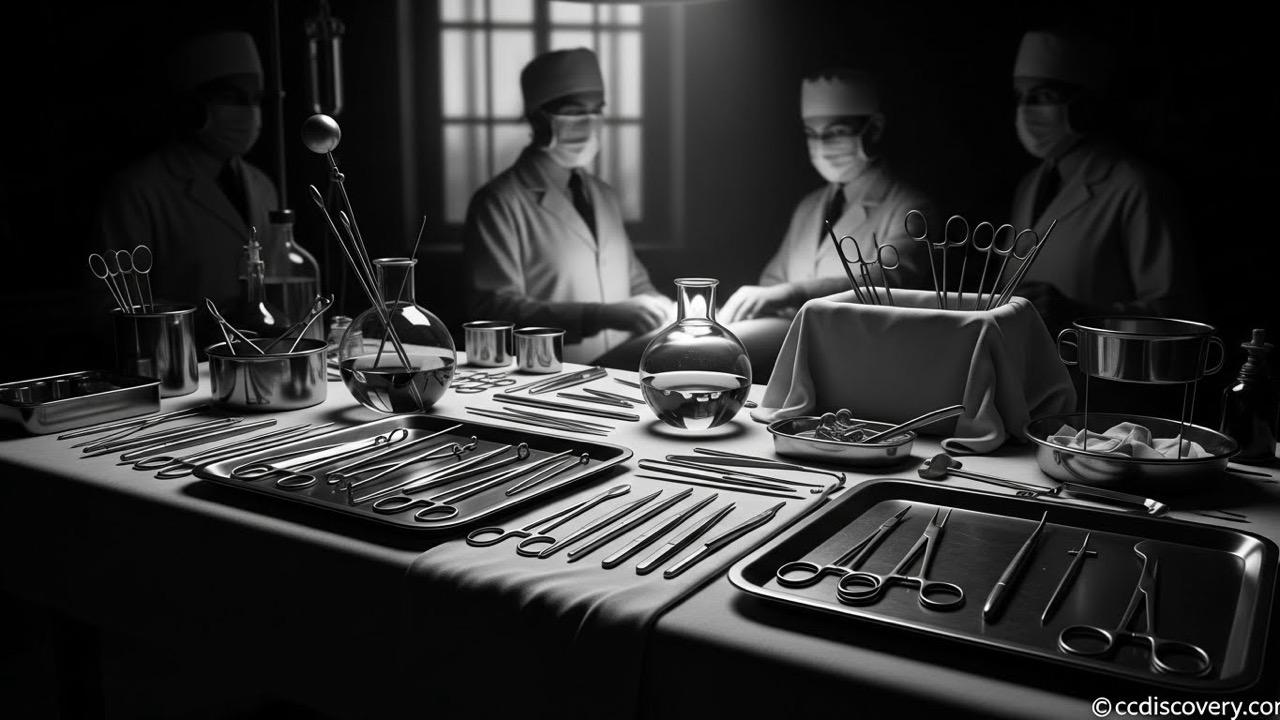
Perhaps the most infamous practice was vivisection—the surgical opening of a living body. Doctors at Unit 731 believed that anesthesia would alter the body’s natural state and “taint” the data. Therefore, prisoners were cut open while fully conscious.
Organs were removed to study the effects of diseases like the plague or cholera. In some cases, limbs were amputated to study blood loss, or surgically attached to other parts of the body to see if they would graft. It was torture masquerading as medicine.
2. The Frostbite Tests
Given the harsh winters of Manchuria and the impending war with the Soviet Union, the Japanese Army needed to know how to treat frostbite. To test this, prisoners were taken outside in sub-zero temperatures.
Their arms were soaked in water and exposed to the freezing wind until they froze solid. Guards would strike the limbs with sticks; if it sounded like a hollow board, the freezing was complete. The subjects were then dragged back inside, where doctors experimented with various rewarming methods—ranging from boiling water to open fire—often causing the flesh to rot and fall off the bone.
3. Biological Weapons and “Plague Bombs”
Shiro Ishii’s ultimate goal was to weaponize disease. He bred millions of plague-infected fleas in the laboratory. To test their effectiveness, these fleas were loaded into ceramic bombs and dropped over Chinese cities and villages.
The results were devastating. Outbreaks of bubonic plague, cholera, and anthrax decimated civilian populations. It is estimated that hundreds of thousands of Chinese civilians died as a result of these “field tests.” You can read more about these specific biological attacks in the archives of the Atomic Heritage Foundation.
The Great Cover-Up: Why They Walked Free
This is the part of the story that angers historians the most. When World War II ended in 1945, and Japan surrendered, Shiro Ishii and his top scientists were not put on trial like the Nazis at Nuremberg.
Why? Because the United States wanted their data.
As the Cold War with the Soviet Union began, American intelligence officials realized that Japan was years ahead in biological warfare research. General Douglas MacArthur and US officials struck a secret deal: Immunity in exchange for the data.
Shiro Ishii handed over thousands of pages of research—the results of his deadly experiments on the “Maruta.” In return, the US kept the existence of Unit 731 a secret. Ishii died a free man in 1959, never spending a day in prison for his crimes. Many of the doctors who performed vivisections went on to become successful medical professionals in post-war Japan, some even heading major pharmaceutical companies.
Legacy and Acknowledgement
For decades, the Japanese government denied the existence of Unit 731. It wasn’t until the 1980s and 1990s, when former workers began to speak out and documents were uncovered, that the truth became undeniable.
Today, the site of Unit 731 in Harbin is a museum. It stands as a grim reminder of what happens when humanity is stripped away from science. According to records from the US National Archives, the declassified documents reveal the full extent of this dark bargain.
Why We Must Remember
The story of Unit 731 is painful to read, but it is necessary. It serves as a warning of how easily moral boundaries can be crossed in the name of “national security” or “scientific progress.”
The victims of Pingfang had their names stolen, their bodies violated, and their justice denied. By telling their story, we return a small fraction of the humanity that was taken from them.
History is full of shadows, and Unit 731 is one of the darkest. If this article opened your eyes to a piece of history you didn’t know, share it. We must ensure that the “Logs” are finally remembered as people. For more deep dives into history’s mysteries, keep reading ccdiscovery.com.

