




🚀 Revealed: What You Need to Know About Today’s Astronomy Picture of the Day
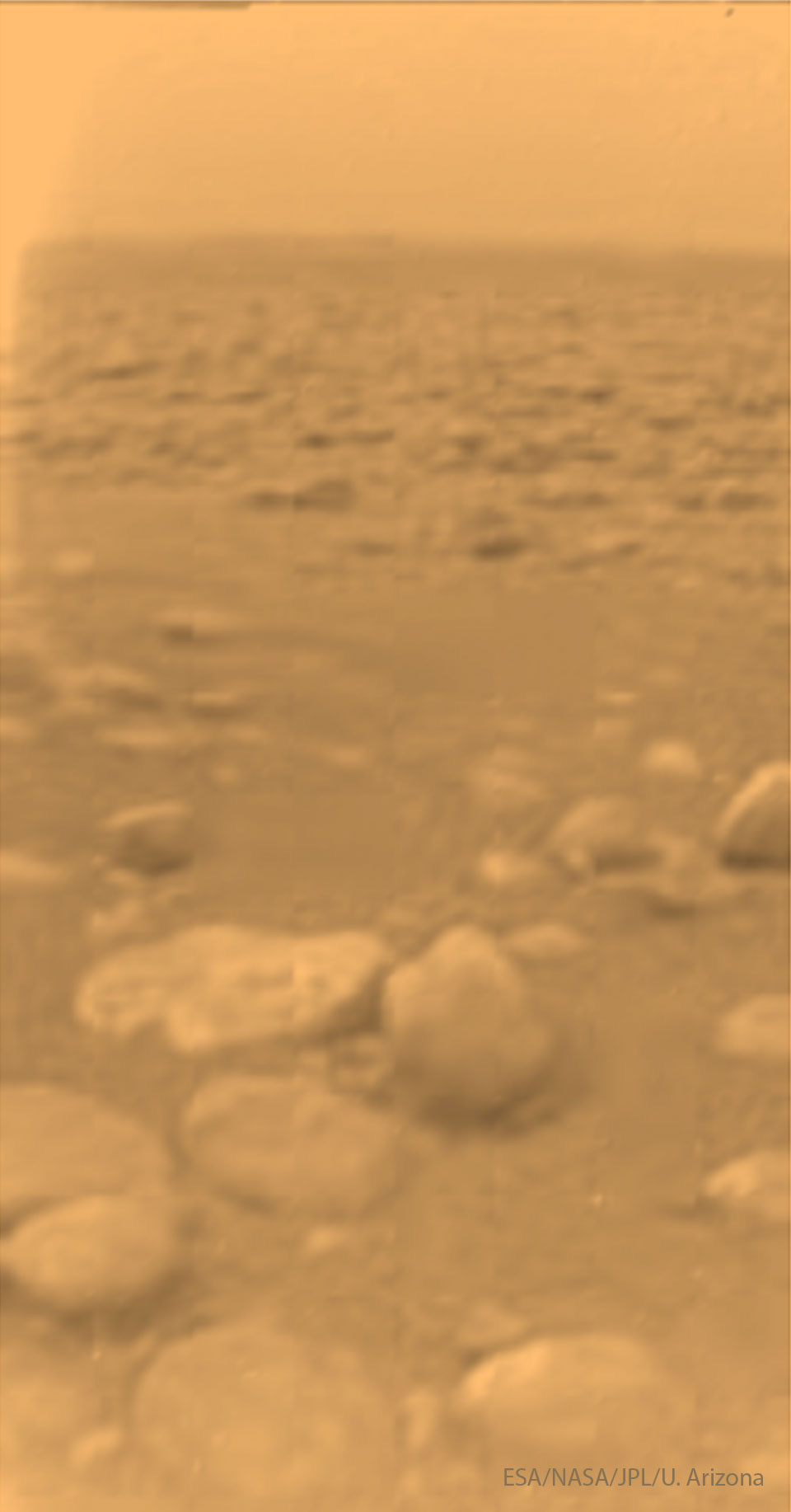
The Astronomy Picture of the Day (APOD), a world-renowned initiative by NASA and Michigan Technological University, has featured a stunning, rare color view of Titan’s surface as its centerpiece for December 1, 2025. The image, originally captured by the European Space Agency’s (ESA) Huygens probe in 2005, offers a detailed look at the cryogenic landscape of Saturn’s largest moon. This daily feature serves to inform and engage a global audience, showcasing the latest and most captivating images of the cosmos along with an expert explanation from a professional astronomer.
Key Highlights
-
What: The featured APOD image is a rare color view of the surface of Titan, Saturn’s largest moon.
-
Who: The original data was collected by the ESA/NASA/JPL Huygens probe during its landing in 2005.
-
Where: The image depicts the unfamiliar landscape of Titan, the only known moon with a dense atmosphere.
-
When: The feature was published for December 1, 2025, drawing from data captured nearly two decades ago.
-
Why: The image provides crucial insight into Titan’s bizarre, Earth-like chemical environment, which may resemble our planet before life evolved.
🛰️ Diving into the Surface of Titan: The Huygens Legacy
A Cryogenic Landscape Explained
The featured image, officially titled “The Surface of Titan from Huygens,” provides a ground-level perspective across a surreal, distant world. The scene is notably bathed in an eerie orange light, a result of the moon’s thick, nitrogen-laced atmosphere.
The landing zone is scattered with what appear to be “rocks”, but which are likely composed of water and hydrocarbons frozen solid due to the inhospitable temperature of negative 179 degrees Celsius. The Huygens probe, which descended for 2.5 hours, is believed to have penetrated about 15 centimeters into a surface consistency akin to wet sand or clay.
Data Collection and Mission Timeline
The Huygens probe was a lander carried by NASA’s Cassini-Huygens mission, launched in 1997. After separating from the Cassini orbiter, the probe made its historic landing on January 14, 2005.
The probe was designed to survive for a short duration. Its batteries enabled it to take and transmit data, including this stunning color photo, for just over 90 minutes after touchdown, providing the first and only direct look at Titan’s surface.
🔭 Why This Matters: Unlocking Clues to Early Earth
The Titan-Earth Connection
The daily rotation of the APOD feature isn’t just about beautiful images; it often highlights objects of profound scientific significance. Titan is of immense interest to astrobiologists and planetary scientists precisely because of its unique chemical environment.
The bizarre mix of nitrogen and methane, the presence of stable liquids (methane/ethane lakes) on the surface, and its frozen hydrocarbon “rocks” bear striking chemical similarities to conditions on Earth before the evolution of life. Studying Titan’s current state helps scientists formulate and test hypotheses about the origins of life and planetary development.
Expert Opinion on APOD’s Impact
The longevity and success of APOD, which launched on June 16, 1995, are a testament to the public’s enduring fascination with space. The site’s co-creator and editor, Dr. Robert Nemiroff of Michigan Tech, has often noted the program’s primary goal is educational.
By pairing spectacular visuals with concise, expert-written explanations, APOD acts as a critical bridge, translating complex astronomical data into digestible, daily content for millions globally. This widespread engagement is vital for securing continued public and governmental support for space exploration.
❓ Frequently Asked Questions (FAQ)
What is the Astronomy Picture of the Day (APOD)?
APOD is a website provided by NASA and Michigan Technological University that features a different image or photograph of the universe each day. Each image is accompanied by an in-depth explanation written by a professional astronomer.
No. While many APOD images relate to current astronomical events or space news, the picture itself may be an archived image, a complex composite from various telescopes, or a photo taken by an amateur astrophotographer. The selection is based on its beauty, informativeness, and topical relevance.
Who took the picture of Titan’s surface featured today?
The image was captured by the Huygens probe, an atmospheric entry probe that landed on Titan in 2005. The probe was a project of the European Space Agency (ESA), with contributions from NASA and the Italian Space Agency (ASI).
🌟 Conclusion: A Daily Glimpse into the Cosmos
The Astronomy Picture of the Day consistently offers a profound moment of reflection, reminding the public of the beauty and complexity of the cosmos. Today’s feature, the historic look at Titan’s cryogenic surface from the Huygens probe, is a powerful reminder of humanity’s past achievements in space exploration and the scientific clues that distant worlds hold about our own planet’s origins. As APOD continues to curate the best of astronomical imaging, it remains an essential daily resource for anyone looking to discover the universe.
Would you like to search the APOD archive for a picture from a specific date, like your birthday?

, featuring the rare color view of Titan's surface captured by the Huygens probe. Discover why this NASA/ESA image matters and its connection to early Earth.)